
Food question
Are salt substitutes safe with kidney disease?
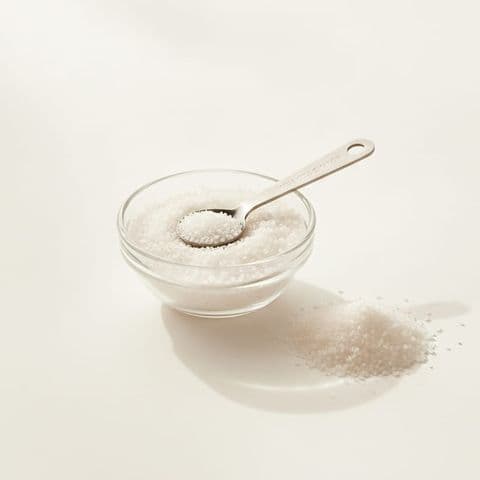
Best avoided. For kidney disease (stage 3), our guide puts salt substitute in the Avoid column: Potassium chloride salt substitutes are not for people with kidney disease or on common blood pressure tablets. Cut down on salt instead.
- Updated October 2026
- 2 min read
Nutrient data: UK Composition of Foods (CoFID) 2021 and USDA FoodData Central.
The answer from our guide
No — best avoided.
AvoidFor kidney disease (stage 3): Potassium chloride salt substitutes are not for people with kidney disease or on common blood pressure tablets. Cut down on salt instead. Where you manage more than one condition, the strictest rule wins.
Profile-based guidance, not an individual medical assessment.
Why food guidance can differ
Food isn’t one-size-fits-all. The right choice depends on a combination of factors, not a single nutrient.
- Your conditionsDifferent conditions can change what’s helpful to include.
- Your medicationSome medicines can affect how certain foods fit.
- Your overall dietIt’s the bigger picture that matters.

Questions to ask your care team
These can help you get guidance that’s right for you.
- How does salt substitute fit with my current conditions?
- Should portion sizes be different for me?
- Are there better alternatives on some days?
- How do my medications affect my food choices?
Good to know
Notes from the guide for kidney disease (stage 3).
If your doctor says your potassium is high
If your doctor says your potassium is high, limit processed foods with added potassium and potassium salt substitutes first, and ask your renal dietitian before cutting fruit and vegetables.
If your blood pressure drops when you stand
If you have been told you have severe low blood pressure on standing, check with your care team before cutting salt.
If you take blood pressure or kidney medicines
If you take an ACE inhibitor, an ARB, spironolactone or a water tablet that keeps potassium, ask your doctor before adding potassium-rich products or salt substitutes; your blood potassium may need checking.
A look at the bigger picture
Your guide considers a range of information, not just one nutrient.
 Garlic powder1360 mg potassium · 4.2 g sugars per 100 gChoose
 Onion powder985 mg potassium · 6.6 g sugars per 100 gChoose
 Black pepper1329 mg potassium · 0.6 g sugars per 100 gChoose
 Paprika (smoked)2280 mg potassium · 10.3 g sugars per 100 gChoose
Source: UK Composition of Foods (CoFID) 2021 and USDA FoodData Central, per 100 g, rounded. Verdicts for kidney disease (stage 3).
Safer swaps
 Garlic powder
 Onion powder
 Black pepper
 Paprika
All in the Choose column for kidney disease (stage 3).

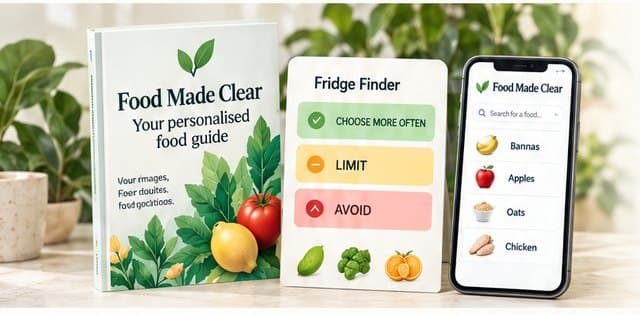
Your conditions. One complete guide.
Get the guide built around the conditions you choose.
- Full illustrated food guide
- Fridge sheets for everyday use
- Searchable app
- Clear choices, fewer doubts
More food questions
All food articles
Please read: educational information, not medical advice
This content is for general educational purposes only and is not a substitute for professional medical advice. Always follow the guidance of your GP, dietitian or care team. Full disclaimer →
Sources: UK Composition of Foods (CoFID) 2021 and USDA FoodData Central (nutrient figures), UK and international clinical guidelines, as listed on our method page, NutriGuard rule-sets (strictest rule wins). See our method.